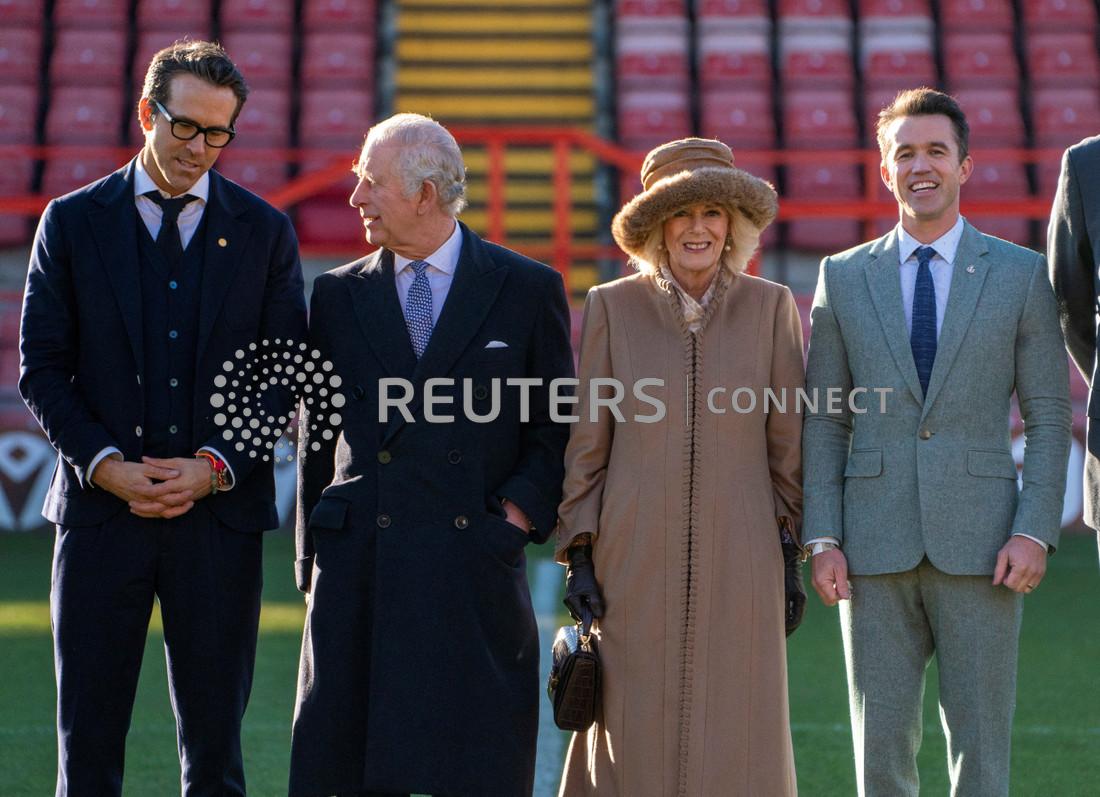
The rain used to define Wrexham. Not just the damp mornings that clung to the redbrick terraces or the mist rolling off the Ruabon hills, but the long, unrelenting drizzle of economic stagnation. For decades, this historic border town between England and Wales bore the scars of industrial decline—closed factories, shuttered shops, a sense of being forgotten. Then, in 2021, something shifted. The clouds didn’t just part for the weather. They parted for possibility. Hollywood arrived. The sun, metaphorically and literally, finally came out.
And it started with a tweet.
From Scripted Comedy to Grassroots Football
Ryan Reynolds and Rob McElhenney weren’t just looking for a quirky investment. They were chasing authenticity. At the time, McElhenney was deep in development on a TV series about a fictional lower-league football club taken over by clueless Americans. But instead of fabricating the struggle, he decided to live it. The search began: find a real club, in real decline, with real soul.
Wrexham AFC, established in 1864 and boasting the title of the third-oldest professional football club in the world, fit the profile perfectly. Decades of mismanagement, financial peril, and near-relegation into non-existence had left the club gasping. Yet beneath the rust was romance—the Racecourse Ground, the passionate fanbase, the underdog legacy.
In November 2020, Reynolds and McElhenney completed the purchase. The deal wasn’t just about buying a team. It was about buying a narrative—and a responsibility.
Their first act? Transparency. They showed up—not as distant billionaires, but as wide-eyed fans. They sat in the stands, drank in local pubs, met season-ticket holders who’d supported through the lowest points. They listened.
The result? Welcome to Wrexham, a documentary series that transcended sports storytelling. It wasn’t just about football. It was about community, identity, and renewal. Within two seasons, it earned critical acclaim, two Emmy nominations, and a global audience that had never heard of Wrexham before.
The Economic Ripple Effect: More Than Just a Team
Reviving a football club is one challenge. Reviving a town is another. But the two, it turns out, are deeply entwined.
Before the Hollywood takeover, Wrexham’s town center groaned under vacancy. Retail chains had fled. The energy was flat. Now? The opposite.
Take match days. What were once 2,000-attendances at the Racecourse Ground now regularly exceed 9,000. Fans travel from Scotland, London, even Los Angeles. Hotels book out weeks in advance. Pubs report 60% higher turnover on game weekends. Local businesses—from bakeries to bike shops—have rebranded with Wrexham AFC themes, capitalizing on the renewed civic pride.
But the impact goes beyond weekends.
The ownership group launched the “Red Wall” membership, a fan-investment model that funds community initiatives. Over £100,000 has gone into youth academies, women’s football development, and education programs. The club also partnered with Coleg Cambria to launch a sports management course, creating pathways for local youth.

Even the stadium is evolving. Plans for a full redevelopment—training facilities, community spaces, commercial zones—are underway. This isn’t just a football ground. It’s becoming a civic hub.
And let’s not overlook tourism. Wrexham wasn’t on most UK travel itineraries. Now, “film location tours” guide visitors to spots featured in Welcome to Wrexham. The town hall, the Kop bar, even the old Debenhams site (now a potential entertainment center) have become points of interest.
Cultural Rebirth: When Hollywood Listens, Not Leads
One of the most remarkable aspects of the Wrexham revival isn’t the money or the fame—it’s the humility.
Reynolds and McElhenney didn’t impose a flashy, Americanized culture. Instead, they amplified what was already there.
They hired local staff. They retained the club’s traditional red jerseys. They preserved the nickname “The Red Dragons” while playfully embracing Reynolds’ love of Deadpool-style humor (yes, there was a limited-edition Deadpool-themed kit—but all proceeds went to charity).
They understood that authenticity sells. And so did the fans.
The ownership’s tone—equal parts self-deprecating, passionate, and deeply respectful—set the rhythm for the entire project. When Reynolds said in an interview, “We don’t know what we’re doing, but we’re doing it with love,” it wasn’t a punchline. It was a mission statement.
This approach avoided the pitfalls that doomed other celebrity-led sports ventures. There was no ego-driven manager hiring. No reckless spending. Instead, they empowered football professionals—appointing Phil Parkinson as manager, backing recruitment squads, and investing in analytics.
The result? On-field success. Back-to-back National League titles. Promotion to League Two. Then to League One. As of the 2023–24 season, Wrexham AFC competes at the third tier of English football—closer than ever to the Football League’s upper echelons.
The Global Wrexham Effect: A Blueprint for Small-Town Revival?
Wrexham’s story isn’t just inspiring—it’s instructive.
Other struggling towns have taken notice. From Dundee to Doncaster, civic leaders are asking: Can we replicate this?
But the formula isn’t easily copied. It requires more than money. It requires:
- Long-term commitment (not a PR stunt)
- Community integration (not top-down control)
- Strategic storytelling (not just social media posts)
- Football as a vehicle, not the end goal
Take Green Bay, Wisconsin. The Packers thrive due to community ownership and deep cultural roots. Wrexham is following a similar path—but with Hollywood’s spotlight accelerating the process.
Contrast this with attempts like Forest Green Rovers, which rebranded as the world’s first vegan football club. While innovative, it alienated parts of its traditional base. Wrexham’s owners, by contrast, modernized without erasing heritage.
This balance is key. You can promote inclusivity campaigns (as Wrexham has done with LGBTQ+ fan groups) while still honoring decades-old traditions. You can stream matches globally while keeping ticket prices affordable locally.
It’s a tightrope walk. But so far, they haven’t fallen.
Challenges Ahead: Can the Sun Stay Out?
No revival is without shadows.
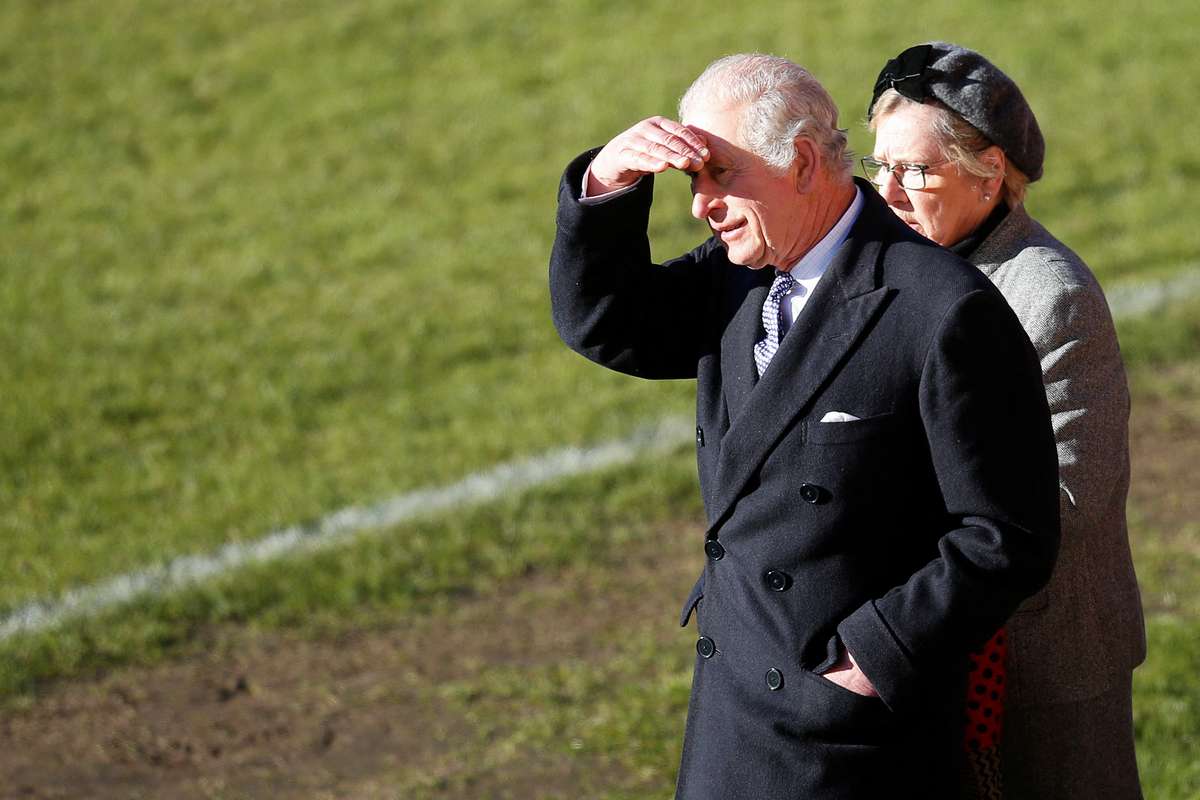
As Wrexham rises, so do expectations. Fans who once dreamed of survival now demand playoff contention. The pressure on players and staff intensifies. And with higher leagues come higher stakes—bigger budgets, tougher competition, greater risk of relegation.
There are also concerns about gentrification. As property values climb and new cafes open, some worry long-time residents could be priced out. The club has acknowledged this, pledging to keep community interests central in development plans.
Another vulnerability? Over-reliance on two individuals. Reynolds and McElhenney are global stars with busy careers. If their attention shifts, will momentum fade?
Their response: institutionalize the culture. They’ve built a front office with experienced football operators. They’ve established revenue streams beyond Hollywood—merchandise sales now rival those of Premier League clubs. The brand of Wrexham, once obscure, is now licensable, exportable, and valuable.
Still, the emotional engine remains their personal involvement. When Reynolds jokes about moving to North Wales full-time, fans believe him. That connection is fragile—and precious.
A New Chapter, Not Just a Comeback
Wrexham’s journey reflects a broader truth: small towns don’t need rescuing from outside heroes. They need amplification.
Hollywood didn’t save Wrexham. It spotlighted a town that had never stopped fighting. The pride was always there. The resilience was baked in. What Reynolds and McElhenney did was give that spirit a microphone.
And the world leaned in to listen.
The sun didn’t just appear. It was earned—through late nights at the ground, through generations of loyalty, through a community that refused to vanish.
Now, as Wrexham AFC climbs the leagues and the town reawakens, one thing is clear: this isn’t a fleeting moment. It’s a movement. One built not on fantasy, but on the most human of instincts—the desire to belong, to believe, and to rise together.
For any town told it’s too small, too forgotten, too far gone: look to Wrexham. The sun can come out. You just need the right people to help you see it.
FAQ
How did Ryan Reynolds and Rob McElhenney find Wrexham AFC? They were researching for a TV show about a lower-league football takeover and sought a real club with history, struggle, and soul—Wrexham fit perfectly.
Has Wrexham AFC been promoted since the takeover? Yes. They won the National League in 2022–23 and 2023–24, earning back-to-back promotions to reach League One.
Is Welcome to Wrexham still being filmed? Yes. The documentary series has been renewed for multiple seasons, following the club’s journey through the English football pyramid.
Do Reynolds and McElhenney manage the team directly? No. They hired professional football staff, including manager Phil Parkinson, and focus on strategy, branding, and community investment.
Has the takeover improved the local economy? Significantly. Matchday tourism, hospitality, and retail have surged, with local businesses benefiting from increased foot traffic and national attention.
Are ticket prices still affordable for locals? Yes. Despite global fame, the club maintains tiered pricing and offers discounts for locals, students, and families to ensure accessibility.
Could other towns replicate Wrexham’s success? Possibly—but it requires authentic community engagement, long-term investment, and a compelling story. Money alone isn’t enough.
FAQ
What should you look for in It's Finally Sunny in Wrexham: Hollywood's Bold Gamble? Focus on relevance, practical value, and how well the solution matches real user intent.
Is It's Finally Sunny in Wrexham: Hollywood's Bold Gamble suitable for beginners? That depends on the workflow, but a clear step-by-step approach usually makes it easier to start.
How do you compare options around
It's Finally Sunny in Wrexham: Hollywood's Bold Gamble? Compare features, trust signals, limitations, pricing, and ease of implementation.
What mistakes should you avoid? Avoid generic choices, weak validation, and decisions based only on marketing claims.
What is the next best step? Shortlist the most relevant options, validate them quickly, and refine from real-world results.

.png)


