The tragic death of Sushant Singh Rajput sent shockwaves across India and the global entertainment community. In the aftermath, speculation ran rampant—fueling conspiracy theories, public outrage, and intense media scrutiny. Among the most damaging narratives was the persistent claim that his girlfriend played a role in his suicide. Now, after months of judicial review, investigative reports, and testimonies, it has been revealed that the girlfriend is not connected to Bollywood actor Rajput’s suicide. The truth is finally emerging, cutting through the noise of sensationalism.
This article unpacks the false narrative, examines how misinformation spread, and highlights why truth matters—especially when lives are at stake.
The Origin of the Rumor
In the days following Rajput’s death, social media exploded with theories. Some blamed the so-called "industry mafia"; others pointed fingers at personal relationships. The most emotionally charged accusation was that his girlfriend at the time—Rhea Chakraborty—had somehow driven him to take his life. These claims were not based on evidence but on fragmented leaks, misinterpreted conversations, and agenda-driven media coverage.
Anonymous sources within news channels began suggesting financial mismanagement, emotional manipulation, and even drug influence. Without verified proof, these allegations were broadcast as facts, creating a public trial in the court of opinion.
But here’s the reality: No credible evidence has ever surfaced linking her directly to his decision to end his life.
The Central Bureau of Investigation (CBI), after taking over the case, examined digital records, financial trails, and personal communications. Their findings did not support the narrative that she was responsible for his mental state or actions.
Why the Narrative Took Hold
Misinformation spreads fastest when it aligns with existing biases. In this case, several factors fueled the false connection:
- Celebrity Culture: Audiences often demand drama, and the media delivers. A breakup or strained relationship is an easy storyline.
- Gender Bias: Women in relationships with high-profile men are frequently scapegoated during crises—a pattern seen globally.
- Digital Mob Mentality: Twitter trends, viral videos, and influencer commentary amplified suspicion without accountability.
Consider this: when a private conversation is taken out of context and broadcast to millions, it becomes “evidence” in the eyes of the public—even if it means nothing.
One example was a leaked audio clip allegedly showing Rhea discussing medication. While it raised questions about prescription practices, it did not prove coercion, abuse, or influence over his mental health state. Yet, headlines screamed about manipulation.
The danger isn’t just in getting the facts wrong—it’s in the real-world consequences. Rhea faced death threats, professional blacklisting, and intense psychological trauma—all while grieving a personal loss.
The Role of Investigative Agencies
The CBI’s probe was critical in dismantling the myth. Key findings include:
- No messages or calls indicated emotional abuse or pressure leading up to the suicide.
- Forensic analysis of Sushant’s phone showed no evidence of recent conflict or distress caused by Rhea.
- Medical records confirmed a history of depression and anxiety, with treatment ongoing before the relationship began.
In essence, the investigation pointed toward long-term mental health struggles—not a sudden catalyst driven by a romantic partner.
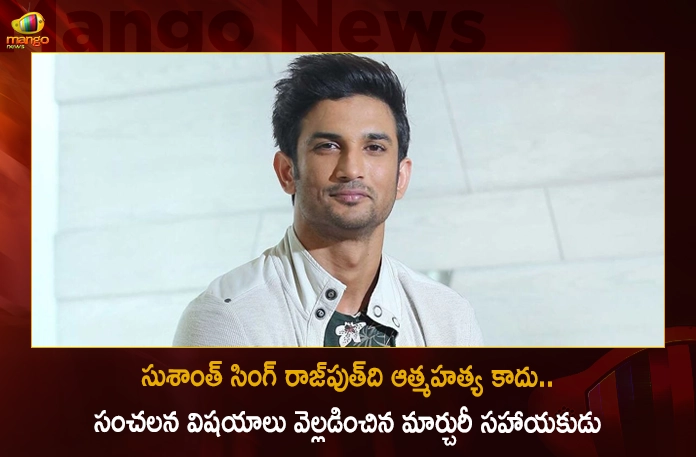
Experts in forensic psychology emphasize that suicide is rarely about one person or event. It’s a culmination of biological, psychological, and environmental factors. To reduce it to a romantic betrayal is not only inaccurate—it’s dangerous.
Dr. Sagar Mundada, a clinical psychiatrist based in Mumbai, stated in a recent interview: "Assigning blame to one individual oversimplifies a deeply complex issue. When we do that, we fail everyone—victims, survivors, and the public who need accurate education about mental health."
Media’s Responsibility in Shaping Public Perception
The way news was reported played a significant role in sustaining the false link. Some outlets used dramatic visuals—images of Rhea with captions like “The Woman Behind the Fall”—without legal or ethical justification.
Ethical journalism demands verification before publication. Yet in this case, many channels prioritized ratings over responsibility.
Compare two approaches:
| Approach | Outcome |
|---|---|
| Sensational headlines with unverified claims | Public vilification, misinformation spread |
| Balanced reporting citing official sources | Informed public discourse, reduced stigma |
The difference is not subtle—it's foundational.
When media outlets name suspects before charges are filed, they violate the principle of presumption of innocence. In Rhea’s case, she was investigated, but never convicted of any crime related to Sushant’s death. The Narcotics Control Bureau (NCB) did file charges related to drug procurement, but those were separate from the suicide itself.
Conflating unrelated legal proceedings with suicide causation is a common error—one that damages reputations and distracts from real issues.
The Bigger Picture: Mental Health in the Entertainment Industry
While clearing Rhea’s name is essential, the bigger lesson lies elsewhere: the entertainment industry’s failure to support mental well-being.
Sushant had spoken openly about anxiety and therapy. He was one of the few male stars in Bollywood to do so. Yet, when he needed help, there was no institutional safety net.
Common red flags were missed: - Sudden withdrawal from projects - Erratic public behavior - Reports of sleeplessness and mood swings
These are not gossip—they are clinical indicators. But instead of intervention, the response was speculation.
In contrast, Western entertainment industries have begun implementing mental health protocols: - On-set counselors - Crisis hotlines for crew and talent - Anonymous reporting systems
Bollywood still lags. Until mental health is treated with the same urgency as box office numbers, tragedies like this will repeat.
Debunking the Conspiracy Framework
Conspiracy theories thrive on gaps in information. When official updates are delayed, people fill the void with stories.
- The “girlfriend conspiracy” followed a predictable arc:
- A high-profile death with no immediate explanation
- Leaked details taken out of context
- Social media influencers pushing agendas
- Public forming verdict before investigation ends
But none of the key pillars of this theory hold under scrutiny:
- Financial Exploitation Claim: No forensic audit showed Rhea siphoning funds. Joint accounts were shared consensually.
- Emotional Control Allegation: Psychiatric evaluations of Sushant’s messages revealed no signs of coercion.
- Drug Influence Theory: While drugs were found in some probes, no evidence tied Rhea to supplying them specifically to manipulate him.

Investigative journalist Neha Dixit noted: "The rush to find a villain often blinds us to the real story—the systemic neglect of mental health and the toxic culture of celebrity scrutiny."
What This Means for Future Reporting
The fallout from this case should serve as a wake-up call. When a tragedy occurs, the public deserves truth—not theater.
Here’s how media and audiences can do better:
✅ Verify before sharing – Just because it’s trending doesn’t mean it’s true ✅ Separate legal charges from moral judgment – Being accused isn’t the same as being guilty ✅ Center mental health expertise – Invite psychologists, not astrologers, to explain behavior ✅ Respect grieving families – Remember there are real people behind the headlines
For fans, the lesson is equally important: your curiosity should not come at the cost of someone else’s dignity.
The Truth About Grief and Blame
In grief, humans instinctively seek answers. We want to believe that if we avoid certain actions, we can prevent tragedy. That desire makes us vulnerable to simplistic narratives.
But Sushant’s death was not caused by one person. It was the result of untreated depression in an environment that stigmatizes emotional vulnerability.
Rhea Chakraborty was not his doctor. She was not his therapist. She was not solely responsible for his well-being. To suggest otherwise is to misunderstand both relationships and mental illness.
The revelation that the girlfriend is not connected to Bollywood actor Rajput’s suicide isn’t just about correcting a false claim—it’s about restoring balance to a story that was hijacked by outrage.
Moving Forward: Accountability and Healing
The path forward requires accountability on multiple fronts: - Media must be held to higher ethical standards - The entertainment industry must invest in mental health infrastructure - Audiences must resist the urge to play detective with human lives
Clearing Rhea’s name is not about taking sides—it’s about upholding truth.
Sushant deserves to be remembered for his artistry, his intelligence, and his courage in discussing mental health. And those left behind deserve space to heal—without being dragged through public accusation.
Let this case be a turning point: not in who we blame, but in how we care.
FAQs
Was Rhea Chakraborty ever charged in connection with Sushant Singh Rajput’s suicide? No. She was investigated but not charged with any offense related to his death.
What did the CBI conclude about her involvement? The CBI found no evidence that she contributed to or influenced his decision to die by suicide.
Did she face any legal action at all? Yes, but only in a separate drug-related case, which is unrelated to the cause of death.
Why did so many people believe she was responsible? Misinformation spread rapidly through media, social platforms, and unverified leaks, creating a false narrative.
Can relationships ever be a factor in suicide? While relationship issues can contribute to emotional distress, suicide is complex and rarely attributable to one cause or person.
How can we prevent similar cases of public vilification? By demanding evidence-based reporting, respecting privacy, and focusing on systemic solutions over individual blame.
What can fans do to support mental health awareness in Bollywood? Advocate for on-set counseling, reduce stigma around therapy, and consume media critically—especially during crises.
FAQ
What should you look for in Girlfriend Not Linked to Bollywood Actor Rajput’s Death? Focus on relevance, practical value, and how well the solution matches real user intent.
Is Girlfriend Not Linked to Bollywood Actor Rajput’s Death suitable for beginners? That depends on the workflow, but a clear step-by-step approach usually makes it easier to start.
How do you compare options around Girlfriend Not Linked to Bollywood Actor Rajput’s Death? Compare features, trust signals, limitations, pricing, and ease of implementation.
What mistakes should you avoid? Avoid generic choices, weak validation, and decisions based only on marketing claims.
What is the next best step? Shortlist the most relevant options, validate them quickly, and refine from real-world results.


.png)