.png)
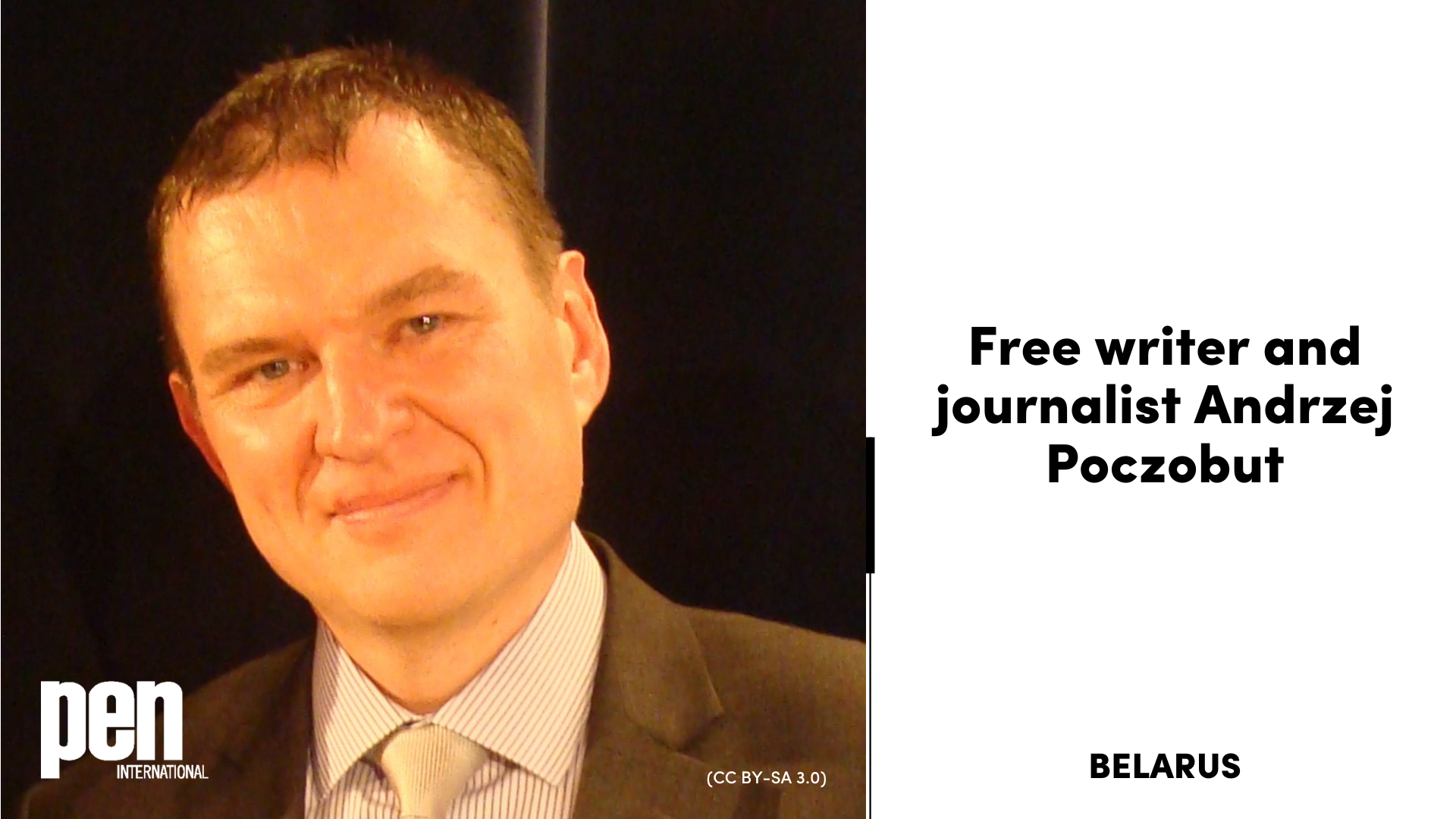
Belarus has freed prominent Polish-Belarusian journalist Andrzej Poczobut after years of imprisonment — a move analysts say is more than a humanitarian gesture. It’s a calculated signal to the West. As Minsk wrestles with economic strain, war-related isolation, and a fraying alliance with Moscow, the release may mark the beginning of a delicate diplomatic pivot. This isn’t just about one man’s freedom. It’s about Belarus recalibrating its survival strategy in a shifting geopolitical landscape.
A Journalist’s Ordeal Reflects Broader Repression
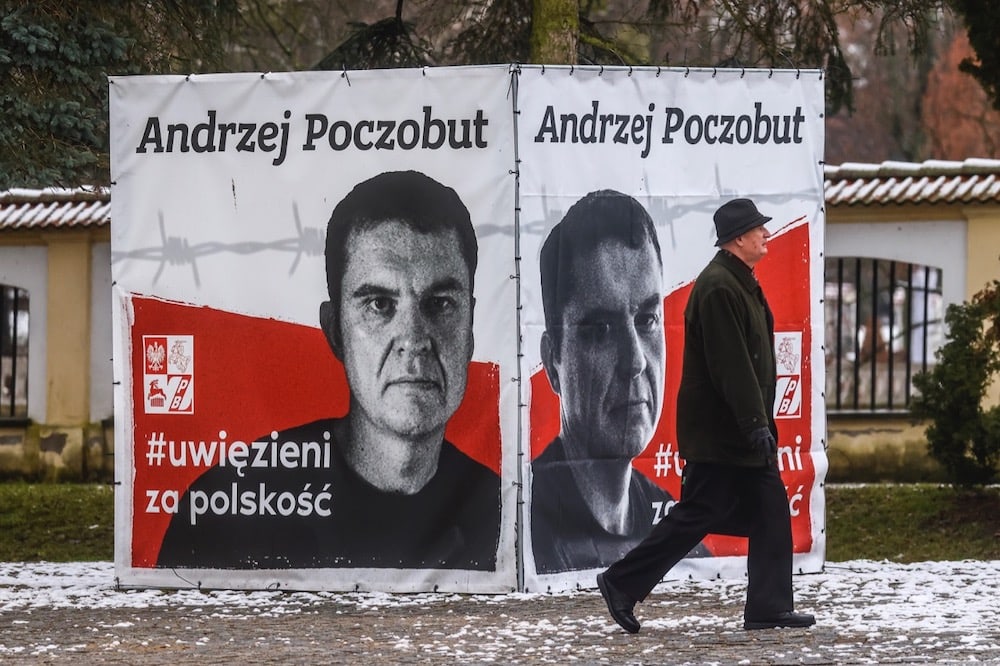
Andrzej Poczobut’s case is emblematic of Belarus’s long-standing crackdown on dissent. A correspondent for Polish state media and contributor to Radio Free Europe, Poczobut was arrested in 2021 and later sentenced to eight years in prison on charges of “inciting social hatred” and “defaming the president.” The charges stemmed from his reporting on anti-government protests that followed the disputed 2020 presidential election.
His imprisonment drew international condemnation. Human rights groups labeled him a political prisoner. Poland and the EU demanded his release. But until now, Lukashenko’s government remained unyielding — using such cases to silence critical voices and assert control.
Poczobut’s sudden release in early 2024, however, breaks the pattern. He was transferred to Poland on humanitarian grounds due to deteriorating health, a detail that underscores both the regime’s need for plausible deniability and its awareness of Western sensitivities.
This wasn’t a spontaneous act of goodwill. It was a move with clear diplomatic intent.
Why Now? The Cracks in Belarus-Russia Unity For years, Belarus has been Russia’s closest ally — a political and military satellite. But the war in Ukraine has strained that relationship to near-breaking point. Russian troops launched attacks from Belarusian soil in 2022, dragging Minsk into Western sanctions regimes and economic isolation.
The consequences have been severe:
- Economic decline: Belarus’s GDP growth stalled, inflation remains high, and foreign investment has evaporated.
- Dependence on Moscow: Over 40% of Belarus’s exports go to Russia, making it vulnerable to Kremlin leverage.
- Military overexposure: Hosting Russian military infrastructure has made Belarus a de facto participant in the war, increasing the risk of direct conflict.
At the same time, Lukashenko faces internal pressure. The 2020 protests may have been suppressed, but dissent simmers beneath the surface. The regime’s legitimacy is eroding, and younger Belarusians increasingly look westward, not eastward.
Freedoms like releasing Poczobut are low-cost signals. They cost little but open doors.
The West Watches — But Remains Cautious
Western governments have not rushed to embrace the gesture. The EU, U.S., and UK have acknowledged Poczobut’s release but reiterated that broader sanctions will remain unless Belarus makes structural changes — including ending repression, releasing all political prisoners, and committing to free elections.
Still, the door is ajar.
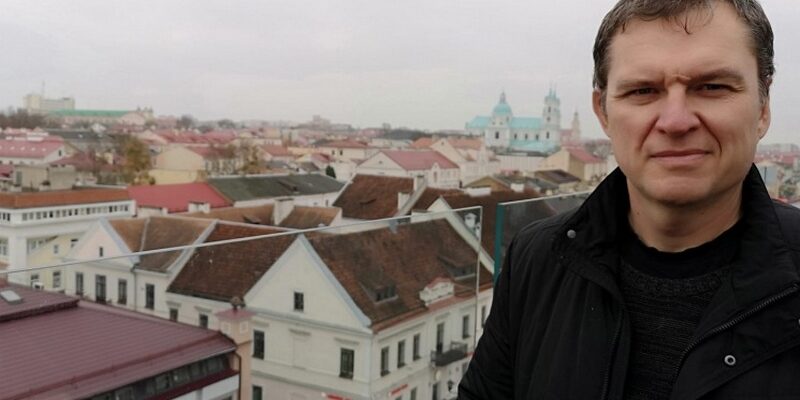
Poland, in particular, has signaled interest in engaging. Foreign Minister Radosław Sikorski described the release as “a first positive signal” and called for dialogue. German and French diplomats have echoed cautious optimism, though they stress that “one gesture does not reset policy.”
Behind the scenes, diplomatic backchannels are reportedly active. Unofficial talks between EU envoys and Belarusian officials have increased in frequency, focusing on regional stability, migration flows, and the potential for limited economic cooperation.
But trust is thin. Lukashenko has a long history of tactical maneuvering — cracking down one day, offering conciliation the next.
What Belarus Wants from the West
Minsk isn’t seeking regime change or a full break with Moscow. What it wants is breathing room — and leverage.
Specifically, Belarus appears to be pursuing:
- Sanctions relief: Even partial easing could revive trade, attract investment, and stabilize the economy.
- Diversification of partnerships: Reducing total dependence on Russia by reopening ties with the EU, Turkey, and Gulf states.
- International legitimacy: Participation in regional forums, cultural exchanges, and aid programs.
- Balancing act with Moscow: Using Western overtures to strengthen Lukashenko’s hand in negotiations with Putin.
By releasing Poczobut — a high-profile symbol of repression — Belarus gains a talking point. It can say: “We are changing.”
But actions must follow words.
The Limits of a Single Gesture
Freeing one journalist does not undo years of systemic repression. Human Rights Watch and Amnesty International have documented over 1,400 political prisoners still behind bars in Belarus. Independent media has been nearly eradicated. Civil society is in exile or underground.
Moreover, Lukashenko’s regime has not altered its core behavior:
- Opposition figures remain in prison or forced into exile.
- Elections continue to be tightly controlled.
- Security forces still operate with impunity.
Western diplomats warn that without broader reforms, engagement will remain limited. Poczobut’s release could be dismissed as a one-off, especially if no further releases follow.
Real change would include:
- Announcing a timeline for freeing all political prisoners.
- Allowing independent election monitoring.
- Repealing laws used to criminalize dissent.
- Inviting OSCE or UN human rights missions.
Until then, the West will keep its distance — even as it watches closely.
Regional Implications: A Shifting Eastern Flank
Belarus’s potential repositioning has ripple effects across Eastern Europe.
For Ukraine, a less compliant Belarus could weaken Russia’s northern flank. If Minsk begins restricting the use of its territory for military operations, it could complicate Russian logistics.
For Poland and the Baltics, a more balanced Belarus reduces the threat of hybrid attacks — sabotage, disinformation, or weaponized migration — launched from Belarusian soil.
For the EU, an opening offers a chance to reassert influence in its eastern neighborhood — a region where Russia has long dominated.
Still, the risks are high. If the West moves too quickly to reward Lukashenko, it could legitimize a dictator without securing real reform. If it moves too slowly, it may miss a rare opportunity to pull Belarus away from Moscow’s orbit.
Can the West Engage Without Endorsing?
The central dilemma for Western policymakers is clear: How do you engage an authoritarian regime without empowering it?
Past attempts offer cautionary tales. In the 2010s, the EU briefly normalized ties with Belarus after the release of political prisoners — only for Lukashenko to reverse course and crack down harder in 2020.
The lesson: conditional engagement is essential.
Smart diplomacy would involve:
- Tied incentives: Sanctions relief linked to verifiable steps like prisoner releases, media freedoms, and election reforms.
- Targeted outreach: Supporting civil society and independent media, not just government channels.
- Coordination with Poland and Ukraine: Ensuring alignment among key regional players.
- Red lines: Clear consequences if Belarus backslides or continues enabling Russian aggression.
Poczobut’s release is not a breakthrough — but it could become a starting point, if handled with discipline.
What Comes Next?
The release of Andrzej Poczobut is not an endpoint. It’s a probe — a feeler from Minsk to test Western reactions.
If the EU and U.S. respond with measured dialogue, tied to clear benchmarks, they may encourage further concessions. If they ignore it, Lukashenko may retreat into Russia’s embrace. If they overreact with premature concessions, they risk strengthening an unrepentant regime.
For now, the ball is in the West’s court.
What matters most isn’t the gesture itself, but what follows. Will Belarus release more prisoners? Will it allow exiled activists to return? Will it halt the persecution of independent journalists?
The answers will determine whether this moment leads to real change — or fades into another chapter of tactical deception.
Actionable Takeaway: Western governments should respond to Poczobut’s release with public acknowledgment and private diplomatic channels. Propose a phased engagement plan tied to concrete reforms: prisoner releases, media access, and election monitoring. Avoid unilateral concessions. Coordinate with regional allies. Monitor closely. This is not about trusting Lukashenko — it’s about creating incentives for change, one verifiable step at a time.
FAQ
Why was Andrzej Poczobut imprisoned? He was sentenced for “inciting social hatred” and defaming the president, based on his reporting and criticism of the regime — widely seen as politically motivated charges.
Is Belarus really distancing from Russia? Not fully. But economic strain and war-related risks are pushing Lukashenko to seek alternatives, including limited outreach to the West.
Will EU sanctions be lifted soon? Unlikely. Sanctions will remain unless Belarus makes broad democratic reforms, releases political prisoners, and stops supporting Russian aggression.
What does Poland want from Belarus? Poland seeks reduced hybrid threats, better border management, and greater stability — and sees dialogue as a tool to achieve it.
Can one prisoner’s release change Belarus? Not alone. It’s symbolic. Real change requires systemic reforms, not isolated gestures.
Is Lukashenko serious about reform? Unclear. He has a history of tactical shifts to survive. The West must verify actions, not accept promises.
How can the West support Belarusian civil society? By funding independent media, protecting exiled activists, and maintaining pressure while offering conditional engagement.
FAQ
What should you look for in Belarus Signals Shift with Journalist Release, Eyes West? Focus on relevance, practical value, and how well the solution matches real user intent.
Is Belarus Signals Shift with Journalist Release, Eyes West suitable for beginners? That depends on the workflow, but a clear step-by-step approach usually makes it easier to start.
How do you compare options around Belarus Signals Shift with Journalist Release, Eyes West? Compare features, trust signals, limitations, pricing, and ease of implementation.
What mistakes should you avoid? Avoid generic choices, weak validation, and decisions based only on marketing claims.
What is the next best step? Shortlist the most relevant options, validate them quickly, and refine from real-world results.