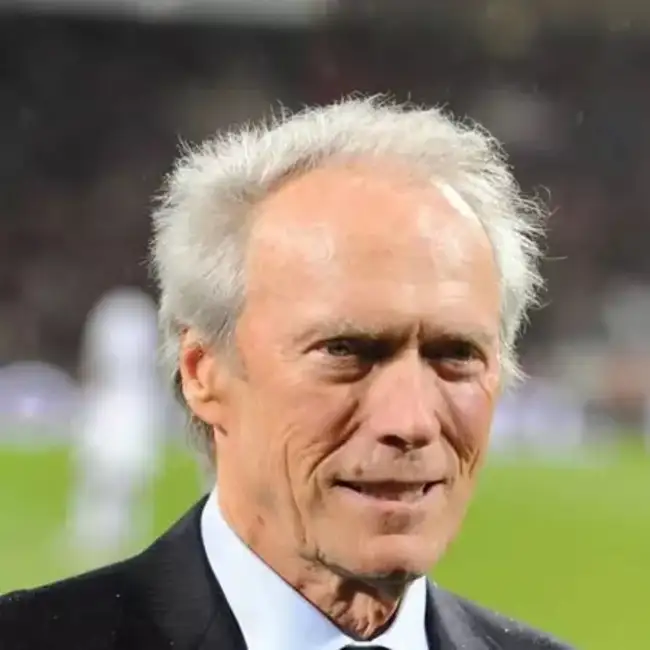
Most people underestimate their thinking. They wait for permission, for genius, for some lightning-strike moment of clarity. Clint Eastwood doesn’t. In one of his most enduring quotes of the day — "God gave you a brain—do the best you can with it, and you don’t have to be" — he cuts through the noise. There’s no demand for brilliance. No requirement for perfection. Just effort. Just action. Just using what you’ve been given.
This isn’t a motivational poster line. It’s a directive. A challenge. And in today’s world of distraction, overthinking, and endless second-guessing, it’s more relevant than ever.
Let’s break down what Eastwood’s quote really means — and how to apply it to work, decisions, and everyday life.
The Deeper Meaning Behind Eastwood’s Quote
"God gave you a brain—do the best you can with it, and you don’t have to be."
The quote, often shared without full context, ends with a pause: “you don’t have to be.” Be what? Brilliant? Perfect? Exceptional? The implication is clear — you don’t have to be anything more than willing. Willing to think. Willing to try. Willing to act with what you have.
Eastwood, a man who rose from bit parts to become an icon through relentless self-direction — as actor, director, and producer — lives this philosophy. He didn’t wait for Hollywood to hand him greatness. He used his judgment, made decisions, and kept moving.
The core lesson: intelligence isn’t just IQ. It’s applied judgment. It’s doing your best with the tools in front of you — especially your mind.
Too many people freeze, waiting to feel “smart enough” before they speak, lead, or create. Eastwood’s message dismantles that excuse.
Intelligence Is Action, Not Just Ability
We treat intelligence like a fixed trait — something you either have or don’t. But real intelligence shows up in choices.
Consider this: - A manager who listens, adapts, and makes a call — even without perfect data — is using their brain. - A student who studies consistently, asks questions, and revises their approach is doing the best they can. - An artist who finishes work, shares it, and learns from feedback is living Eastwood’s quote.
Meanwhile, the “smartest” person in the room who never acts? They’re underutilizing their gift.
Eastwood’s career proves this. He directed Unforgiven not because he had a film degree, but because he studied craft, trusted his instincts, and executed. He didn’t need to be Orson Welles — he needed to be Clint Eastwood, doing his best.
Practical takeaway: Stop waiting to feel brilliant. Start where you are. Think clearly. Decide. Move.
How Eastwood Uses His Brain — And What We Can Learn
Clint Eastwood is not a flashy thinker. He’s deliberate. Calm. Decisive. His approach to work — especially behind the camera — reveals how he “does the best” with his brain.
#### 1. He Thinks Before Acting — But Doesn’t Overthink Eastwood is known for minimal takes. He plans thoroughly, then executes efficiently. He doesn’t waste time second-guessing. This isn’t recklessness — it’s confidence in preparation.
Many people confuse overthinking with deep thinking. They churn. They research endlessly. They delay. Eastwood’s method: gather input, decide, act.
Real-world application: Before your next big decision, set a deadline for thinking. After that, act. Even if uncertain.
#### 2. He Values Simplicity Over Complexity His films aren’t overloaded with twists. His dialogue is sparse. His direction trusts the audience to follow. This reflects a mind that cuts through clutter — a hallmark of effective thinking.
Too often, we make things more complicated to feel smarter. But clarity is intelligence.
Workflow tip: When writing, speaking, or planning, ask: “What’s the simplest way to say or do this?” Cut the rest.
#### 3. He Learns by Doing Eastwood didn’t go to film school. He learned by watching, absorbing, and trying. He used his brain not to theorize, but to practice.
This is critical: intelligence grows through application, not just consumption.
Common mistake: Binge-watching courses without applying them. Reading books without acting on ideas. That’s not using your brain — it’s avoiding it.
"You Don’t Have to Be" — The Power of Lowering the Bar
The second half of Eastwood’s quote is its quiet revolutionary core: “you don’t have to be.”
You don’t have to be the smartest. You don’t have to be the most qualified. You don’t have to be perfect.
You just have to try. Thoughtfully. Consistently. Honestly.
This mindset shift is transformative. It removes the paralysis of comparison. It kills imposter syndrome before it starts.
Think of the small business owner who doesn’t know SEO but researches one tip a day, tests it, and improves. Or the writer who doesn’t feel “literary” but shows up and writes 300 words daily.
They’re not waiting to be someone else. They’re using what they have.
Limitation to watch for: This isn’t permission to stay ignorant. “Do the best you can” implies growth. It means learning, adjusting, and pushing your limits — not settling.
How to Use Your Brain More Effectively — Every Day
Eastwood’s quote isn’t just inspiration. It’s a framework. Here’s how to apply it:
#### 1. Prioritize Thinking Time Schedule 20 minutes daily for focused thought — no email, no social media. Just thinking about your goals, problems, or decisions.
Example: A project manager uses this time each morning to anticipate roadblocks, not react to them.
#### 2. Make Decisions — Then Review Them Indecision wastes brainpower. Make the call with available information. Review later. Adjust if needed.
Workflow tip: Use a “decision log” — write down your choice, why you made it, and what you’d do differently next time.
#### 3. Learn by Application, Not Just Consumption For every hour spent reading or watching, spend 30 minutes applying it.
Realistic use case: After watching a documentary on negotiation, role-play a conversation with a colleague.
#### 4. Cut Through Noise with First Principles Ask: What do I actually know? What’s essential here? Strip away assumptions.
Eastwood does this in directing — focusing on story, character, emotion, not gimmicks.
#### 5. Embrace “Good Enough” Thinking Perfection is the enemy of progress. Aim for sound judgment, not flawless insight.
Common mistake: Revising a presentation 10 times when 2 would suffice. Ship it. Learn. Improve next time.
The Link to Play Misty for Me — Intelligence in Creativity
While the quote isn’t from Play Misty for Me, the film exemplifies Eastwood’s philosophy. It was his directorial debut — a risk. He didn’t wait for permission or a bigger budget. He used his instincts, told a compelling story, and launched a legendary second career.
He didn’t have to be a seasoned director. He just had to do his best with what he had.
The film’s success wasn’t due to technical perfection. It was due to clarity of vision, emotional honesty, and decisive action — all signs of applied intelligence.
Creators today can learn from this: - You don’t need the best tools to start. - You don’t need approval to create. - You don’t need to be “discovered.”
You need to use your brain — and begin.
Intelligence Without Action Is Wasted Potential
We live in an age of information overload. We have more access to knowledge than any generation in history. And yet, indecision is epidemic.
People freeze. They scroll. They consume. They wait.
Eastwood’s quote is a wake-up call: You have a brain. Use it.
Not perfectly. Not heroically. Just consistently. Thoughtfully. With intention.
The most dangerous myth is that only geniuses get to lead, create, or decide. That’s false. The world moves forward because ordinary people — using their brains the best they can — make choices and act.
You don’t have to be Einstein. You don’t have to be a CEO. You don’t have to be famous.
You just have to think, decide, and do.
Final Thought: Do Your Best — Then Do Better
Clint Eastwood’s quote isn’t a one-time inspiration. It’s a daily standard.
Every morning, you’re handed the same gift: your mind. What will you do with it?
Will you overcomplicate it? Will you compare yourself into inaction? Or will you accept the simple directive: Do the best you can?
Start small. Think clearly. Make a decision. Learn. Repeat.
That’s how brains grow. That’s how lives change. That’s how legacies are built — one thoughtful action at a time.
Now go use yours.
FAQ
What does Clint Eastwood’s quote “God gave you a brain…” mean? It means you don’t need to be perfect or brilliant — just willing to think, act, and do your best with what you have.
Did Clint Eastwood really say “you don’t have to be”? Yes, the full quote is often cited as “God gave you a brain—do the best you can with it, and you don’t have to be,” implying you don’t have to be exceptional to matter or contribute.
How can I use my brain more effectively every day? Prioritize focused thinking, make decisions promptly, learn by doing, and simplify complex problems.
Is intelligence more important than effort? No — applied intelligence (judgment, action, learning) matters more than raw intellect. Effort with direction wins.
What can we learn from Clint Eastwood’s approach to work? He values preparation, simplicity, decisiveness, and action over perfection or approval.
How does this quote relate to personal growth? It encourages using your mind consistently, embracing progress over perfection, and starting where you are.
Why is this quote powerful in leadership? It promotes responsibility, clear thinking, and action — key traits of effective leaders, regardless of title or status.
FAQ
What should you look for in Clint Eastwood’s Quote of the Day: Use Your Brain Wisely? Focus on relevance, practical value, and how well the solution matches real user intent.
Is Clint Eastwood’s Quote of the Day: Use Your Brain Wisely suitable for beginners? That depends on the workflow, but a clear step-by-step approach usually makes it easier to start.
How do you compare options around Clint Eastwood’s Quote of the Day: Use Your Brain Wisely? Compare features, trust signals, limitations, pricing, and ease of implementation.
What mistakes should you avoid? Avoid generic choices, weak validation, and decisions based only on marketing claims.
What is the next best step? Shortlist the most relevant options, validate them quickly, and refine from real-world results.

.png)